How to Choose an Architectural Lighting Manufacturer
Lighting is one of the few specification decisions the client lives with every evening for the next ten years. The fixture schedule gets approved in a week, the site gets fitted, and then the problems show up: colour that doesn’t match between batches, glare in the meeting room, photometric data that doesn’t match what arrived. Most of these trace back to the choice of architectural lighting manufacturer, not the design. A good one gives you architectural lighting fixtures with IES photometric files, a clear LM-80 report, and lighting design support from layout to handover. A weak one gives you a nice brochure.
Caterlux manufactures LED lighting for residential, commercial, and hospitality projects, with CRI 90+ options and specification support for architects and designers. This is the checklist we’d want to see any supplier pass, ours included.
Why Architectural Lighting Matters in Modern Design
Light is the last material in a building and the first one people notice. It shows off the architecture, sets the mood of a lobby or restaurant, and decides whether an office is comfortable at four in the afternoon. Facade lighting gives a building its identity after dark. It also affects running cost, because lighting is a significant share of a commercial building’s electricity use. Fixtures are specified once and stay for years, so the architectural lighting manufacturer behind them matters as much as the design.
12-Point Checklist for Choosing an Architectural Lighting Manufacturer
1. Product quality and durability
Check thermal design, finish, and ingress protection. Aluminium housings paired with proper heat sinks simply last longer than thin sheet metal. For any exposed facades, you’ll want IP65 or higher. Find a finish that can handle monsoon conditions and coastal air without degrading. Ask the supplier for the LM-80 report on their LED packages. Get the projected L70 life. Confirm BIS certification where it applies.
2. Range of architectural lighting solutions
Getting a full range of architectural lighting solutions under one roof keeps things consistent. You’ll have downlights, spots, track, linear fixtures, wall washers, and facade lighting all available. Mixing brands? That’s when you run into colour mismatches and end up juggling support contacts. A capable architectural lighting manufacturer covers the whole fixture schedule.
3. Customisation options
Real projects demand custom luminaires. Non-standard lengths. Special finishes. Tuned optics. Mounting details pulled straight from your drawing. Any architectural lighting manufacturer worth considering will tell you upfront what the minimum order quantity is, how long prototypes take, and whether custom items keep the standard warranty.
4. Technical expertise and lighting knowledge
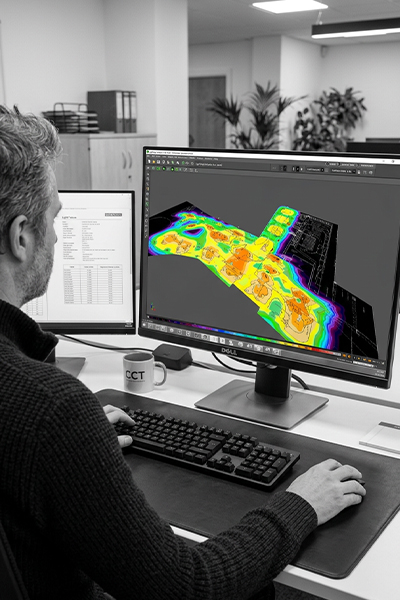
Can the technical team actually read a drawing? That matters. Good suppliers provide IES photometric files for every fixture so you can run DIALux or Relux layouts, and they’ll offer lighting design support for lux levels and glare checks. A salesperson who won’t discuss beam angles isn’t a technical partner.
5. Energy efficiency
Look at luminaire efficacy – that’s lumens per watt for the complete fixture, not just the LED chip. Driver losses and optical losses reduce whatever the chip spec says. Request the LM-79 report. Check standby power consumption. Dimming compatibility counts too, since controls add to the overall savings.
6. Colour temperature and CRI options
What colour temperatures can you get? You’ll want the full range from 2700K to 5000K. For hospitality and retail work, CRI 90+ matters. On larger jobs, colour consistency becomes critical, so ask for a tolerance of 3 SDCM or better. Find out whether batches are binned to actually match each other.
7. Beam angles and light distribution
Available beam angles matter – narrow spots near 10 degrees through to wide floods. Wall-wash patterns. Asymmetric distributions. Interchangeable optics and louvres help control glare. For offices and screen work, UGR below 19 is the benchmark most people follow. Ask for the UGR data.
8. Flexible and modular lighting systems
Modular systems – track, linear profiles, trimless recessed fixtures – let you change the design late without ripping everything out. Check control compatibility too. DALI, 0-10V, DMX. Can drivers get replaced without removing the fixture?
9. Experience with large-scale projects
Delivering 50 fixtures differs entirely from delivering 5,000. Ask for completed project lighting solutions of similar size and type. How do they manage batch consistency? What about lead times and stock across a long schedule? An architectural lighting manufacturer that’s handled phased deliveries understands how to plan them properly.
10. Installation and technical support
Before installation even begins, look for proper support. Installation guides. CAD or BIM files. Wiring diagrams. Commissioning support. Mock-ups. Site visits when something doesn’t look right. Driver and dimmer compatibility checks beforehand prevent headaches later.
11. Warranty and after-sales service
Read the actual warranty terms, not just the headline. Three to five years is common for commercial fixtures. What does it cover – LED, driver, finish? How do replacements actually work? A confident architectural lighting manufacturer states this in writing. They’ll tell you whether matching spares remain available in three years, when the renovation inevitably happens.
12. Reputation and client reviews
Visit a completed site if you can manage it. Ask for two or three references from architects who’ve used the products on similar projects. You’ll find rankings online for the best architectural lighting brands in India, but a ranking can’t tell you whether a brand fits your specific project. A top architectural lighting brand shows up in references, test reports, and support, not in marketing.
Benefits of Working with an Indian Architectural Lighting Brand
Faster delivery and stock. Local manufacturing and warehousing shorten lead times and make reorders practical.
Easier customisation. Changes to finish, length, or optics are quicker when the factory is in the same country.
Support close to site. Site visits, mock-ups, and replacement parts are simpler without import delays.
Pricing in rupees. No currency swings or duty uncertainty between quote and delivery.
Built for local conditions. Voltage fluctuation, heat, dust, and monsoon humidity are design inputs, not afterthoughts.
Indian-made doesn’t automatically mean better, so apply the same 12 points either way. The best architectural lighting brand in India for your project is the one that passes them. For specification support on a project, visit caterlux.in.
Conclusion
Choosing an architectural lighting manufacturer is a technical decision with a long tail. The 12 points above turn it into questions a supplier can answer with documents rather than promises. Ask for the IES files, the LM-80 report, and the references, and the right manufacturer will have all three ready. A top architectural lighting brand is simply the one that can prove it.
FAQs
1. How do I choose the right architectural lighting manufacturer?
Check product quality, technical expertise, customisation options, photometric data, warranty, project experience, and after-sales support before making a decision.
2. What should architects look for in architectural lighting fixtures?
Look for suitable beam angles, CRI 90+ options, energy efficiency, glare control, durable materials, and compatible lighting controls.
3. Why are IES files and LM-80 reports important when choosing a lighting manufacturer?
IES files help architects plan light distribution, while LM-80 reports provide data on LED package lumen maintenance over time.
4. What are the benefits of choosing an Indian architectural lighting brand?
An Indian brand can offer shorter delivery times, easier customisation, local technical support, rupee-based pricing, and quicker access to replacement parts.
5. How can I identify the best architectural lighting brand in India?
Compare product specifications, test reports, completed projects, client references, warranty terms, and technical support instead of relying only on online rankings.