What Is LED Linear Lighting and Why It’s Taking Over Modern Architecture
Walking into a fancy hotel lobby or high-end office lately? You probably noticed lighting that doesn’t come from visible fixtures. Clean lines of light running along ceilings. The glow is there but you can’t see where it’s coming from. No bulbs sticking out. No fixtures hanging down.
That’s LED linear lighting doing what traditional spotlights and panels can’t – disappearing into the architecture while actually providing better illumination.
Ten years back, architectural lighting meant picking between visible fixtures or spending serious money on custom installations. Linear LED lighting changed everything. Now designers create continuous light lines, illuminate entire corridors with single fixtures, achieve minimalist looks that weren’t possible with the spotlights and panels everyone was stuck with. Here’s what LED linear lighting actually is and why it’s showing up everywhere.
What LED Linear Lighting Actually Means?
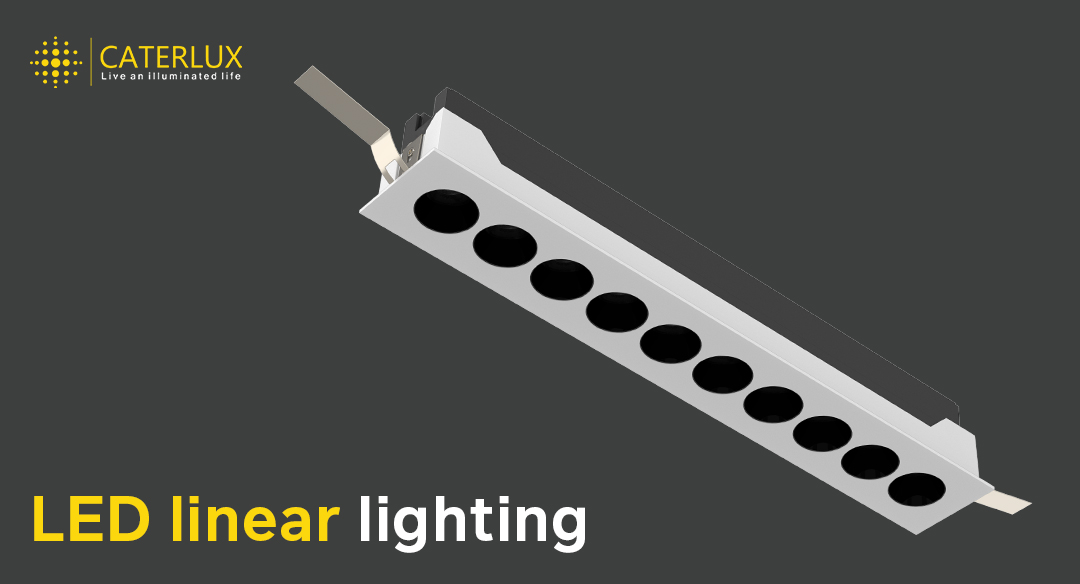
LED linear lighting is elongated light fixtures using LED tech arranged in linear configurations. Instead of round or square fixtures, these create lines of light – sometimes meters long in one continuous run.
The fixtures have rectangular or slim profiles. LEDs mount inside linear housings along with drivers and optics controlling light spread. The result is even, consistent light across the entire length without visible hot spots or dark patches.
Why is this different from just mounting several spotlights in a row? The continuous output creates visual uniformity. No start-stop pattern. No gaps between lights. No individual shadows from each fixture. Just smooth, unbroken illumination.
This matters in spaces where lighting quality affects how everything feels. Retail stores where products need consistent light. Offices where desks need uniform task lighting. Corridors where regular downlights create those annoying pools of light with dark gaps between.
Features That Make LED Linear Lighting Work
Several things explain why LED linear lighting became the go-to choice for architectural projects:
Flexible configurations: Lengths from compact modules to several-meter runs. Corner connections, T-junctions, custom lengths. Designers create lighting layouts matching architectural features instead of compromising design because fixture options are limited.
Low profile: Most linear fixtures sit nearly flush with ceilings or walls. Slim depth means they integrate into architecture instead of hanging there like traditional fixtures announcing their presence.
Uniform distribution: Quality linear LED lighting spreads light evenly across fixture length. No bright spots at one end fading toward the other. Professional optics ensure consistent output.
Multiple mounting options: Surface-mounted, recessed, suspended, wall-mounted. Same linear aesthetic, different installation approaches depending on ceiling type and what the design calls for.
Efficient LED tech: LEDs consume less power than fluorescent linear fixtures while providing better light and lasting longer. Lower bills, less frequent replacement.
Dimming that actually works: Most LED linear lighting dims smoothly without the flickering or color shift fluorescent tubes had. Enables lighting scenes matching different times or activities.
Best Magnetic Track Lighting in India| Why Slimmest Magnetic Track Light Wins?
Types of Linear Lighting by How You Install Them
Linear lighting comes in different installation styles, each creating different effects:
Recessed Linear Lighting
Fixtures install flush with ceiling surface. Housing sits above the ceiling line, only the light opening shows below. Creates the cleanest, most minimal appearance. Works best in spaces with enough ceiling depth for installation.
Effect is light emerging from the ceiling itself rather than from a visible fixture. Popular in modern offices, retail spaces, homes where minimalism matters.
Surface-Mounted Linear Lighting
Fixtures mount directly to ceiling or wall surfaces. Entire housing is visible, creating a more pronounced linear element. Useful when ceiling depth doesn’t allow recessing or when fixture design contributes to the aesthetic.
Surface versions often have slim profiles maintaining clean lines even though they project from the surface.
Suspended Linear Lighting
Fixtures hang from cables or rods, creating floating lines of light. Common in high-ceiling spaces where bringing light closer to the work plane makes sense. Also used decoratively to define spaces or create visual interest.
Suspended linear fixtures work well over reception desks, conference tables, retail displays – anywhere a defined light line at specific height serves both function and aesthetics.
10 Best LED Panel Light Manufacturers & Suppliers in India
Caterlux Linear Lighting Products
Caterlux makes several linear series, each designed for specific architectural applications:
Blade Series
Ultra-slim recessed lights with deep-set LED optics. Blade delivers refined, glare-controlled lighting through clean linear design and matte black reflector accents.
Configurations from compact 1-way (2W) to extended 10-way (20W) arrangements. Slim 43mm width means Blade practically disappears into ceilings while deep-set optics prevent glare even in low-ceiling applications.
Works particularly well for accent and task lighting in sophisticated interiors – boutiques, galleries, high-end homes – where lighting quality matters as much as design aesthetics.
Zudo Series
Sleek rectangular profiles with evenly spaced LEDs creating balanced lighting effects. Zudo combines function with minimal ceiling presence.
Available in 5-way (10W) and 10-way (20W) configurations. Suits contemporary residential and commercial environments needing efficient illumination without visual clutter. Slim 32mm height allows installation even in restricted ceiling depths.
White or black housing lets designers match or contrast with ceiling colors. 36-degree beam angle provides focused but not overly narrow distribution.
Scale Series
Versatile multi-module solutions for modern ceilings. Scale offers both standard and trimless variants, providing options depending on desired ceiling integration.
Standard versions (3-way, 5-way, 10-way from 6W to 20W) feature visible trim for clean definition. Trimless variants integrate flush with plaster ceilings for a completely seamless appearance where only light opening is visible.
30mm width makes Scale one of the slimmest options available. Perfect for projects where architectural lines matter and fixtures should enhance rather than interrupt those lines.
Sharp Series
Sharp Series focuses on precision. Compact multi-cell modules with sharp-edged frames deliver controlled, directional lighting with minimal glare. Configurations from 2-way (4W) up to 12-way (20W) modules.
What makes Sharp different is focused illumination. Rather than flooding areas, it directs output where needed. Works for accent lighting, task lighting, anywhere directional control matters more than ambient brightness.
White or black finishes. Color temperatures from warm 3000K to cool 6000K. Integrates into both residential and commercial projects where subtle, controlled lighting enhances instead of dominated spaces.
List Of Top 10 Lighting Companies In India, 2026
Benefits of Linear LED Lights in Actual Use
Why pick LED linear lighting over traditional spotlights or panels?
Architectural integration: Linear fixtures become part of architecture rather than additions to it. They emphasize lines, define spaces, and follow ceiling features naturally.
Visual comfort: Continuous uniform light reduces contrast and glare compared to point-source fixtures. Eyes don’t constantly adjust between bright spots and dark areas.
Energy efficiency: LED tech means lower power use compared to fluorescent linear fixtures. Longer lifespans reduce maintenance and replacement costs.
Design flexibility: Creating lighting layouts matching space requirements instead of forcing spaces to work around available fixtures. Custom lengths, corner connections, suspended or recessed options.
Professional appearance: Spaces lit with quality linear lighting look more intentional, more designed, more professional than spaces with random fixture placement.
Task lighting performance: For offices, workspaces, retail displays, uniform distribution improves visibility and reduces eye strain compared to inadequate or poorly distributed lighting.
These Benefits of Linear LED Lights aren’t just theory. Visit any modern corporate office, high-end retail store, or well-designed hotel and you’ll see linear lighting creating a clean, professional atmosphere traditional fixtures can’t achieve.
Elevate Your Garden with Decorative LED Lights from Caterlux
Why Buy Architectural Lights from Caterlux?
Several factors set Caterlux apart:
Design-focused engineering: Every series solves specific architectural lighting challenges. Sharp for directional control, Blade for glare management, Zudo for minimal presence, Scale for seamless integration. Not just products – solutions for real design problems.
Quality construction: Precision manufacturing ensures fixtures install properly, align correctly, and perform consistently. Cheap linear fixtures often have uneven output, poor alignment, or construction quality not surviving installation. Caterlux products are built to professional standards.
Flexible specs: Multiple configurations, color temperatures (3000K/4000K/6000K), finishes let designers specify exactly what projects need rather than compromising design for limited product options.
Professional support: Technical guidance for fixture selection, installation requirements, integration with building systems. Architectural projects need manufacturers understanding both technical and aesthetic demands.
Proven performance: Installations across commercial, hospitality, retail, residential projects demonstrate reliable long-term performance. Products working in demanding professional environments, not just looking good in catalogs.
For architects, interior designers, lighting consultants specifying linear lighting, working with manufacturers like Caterlux who understand architectural requirements ensures projects achieve intended results.
Key Factors in Getting Linear Lighting Right
LED linear lighting works brilliantly when properly specified and installed. Several factors determine success:
Correct installation type: Recessed for minimal appearance, surface for easy installation, suspended for functional or decorative purposes. Choose based on ceiling construction and design intent rather than just cost.
Appropriate spacing: Even with uniform fixtures, spacing affects illumination patterns. Too far apart creates dark zones. Too close wastes energy and money. Proper lighting design calculates correct spacing for required light levels.
Color temperature selection: Warm (3000K) for residential and hospitality, neutral (4000K) for offices and retail, cool (6000K) for industrial or clinical applications. Mixing color temperatures in one space rarely works well.
Dimming integration: Specify compatible dimmers and controls from the start. Adding dimming later often creates problems – flickering, limited range, incompatibility. Design it initially.
Quality matters: Cheap linear fixtures create problems – uneven output, poor color consistency, construction failing during installation or shortly after. Professional-grade products from manufacturers like Caterlux cost more initially but perform reliably long-term.
READ MORE- Gallery lighting , wall washer , Recessed downlight
Wrapping This Up
LED linear lighting transformed architectural lighting from choosing fixtures to designing with light itself. Ability to create continuous light lines, integrate fixtures into architecture, achieve uniform illumination changed what’s possible in modern interiors.
Understanding Types of Linear Lighting – recessed, surface, suspended – and how different series like Caterlux’s Sharp, Blade, Zudo, and Scale address specific applications helps in making informed choices for projects.
Benefits of Linear LED Lights extend beyond aesthetics to energy efficiency, visual comfort, design flexibility that traditional fixtures can’t match. For commercial, hospitality, retail, residential projects where lighting quality and architectural integration matter, linear LED lighting delivers results spotlights and panels can’t achieve.
Caterlux’s range of linear lighting solutions provides options for virtually any architectural application. Whether you need precision control, minimal presence, or seamless integration, there’s a series engineered specifically for that requirement.
For projects where lighting should enhance architecture rather than compete with it, LED linear lighting is where modern design is heading.