Recessed Downlight Guide: Everything You Need to Know
Ever notice how some rooms feel perfectly lit without you even seeing where the light’s coming from? That’s what recessed downlights do. They disappear into your ceiling while completely transforming the space.
Nobody wants bulky fixtures hanging down anymore. Modern homes, offices, retail spaces – they all want that clean ceiling look. Recessed LED downlights give you powerful lighting from fixtures you’ll barely notice.
Whether you’re fixing up your house or designing commercial space, knowing how recessed downlights work helps you avoid expensive mistakes and get lighting that actually looks good.
What Exactly is a Recessed Downlight?
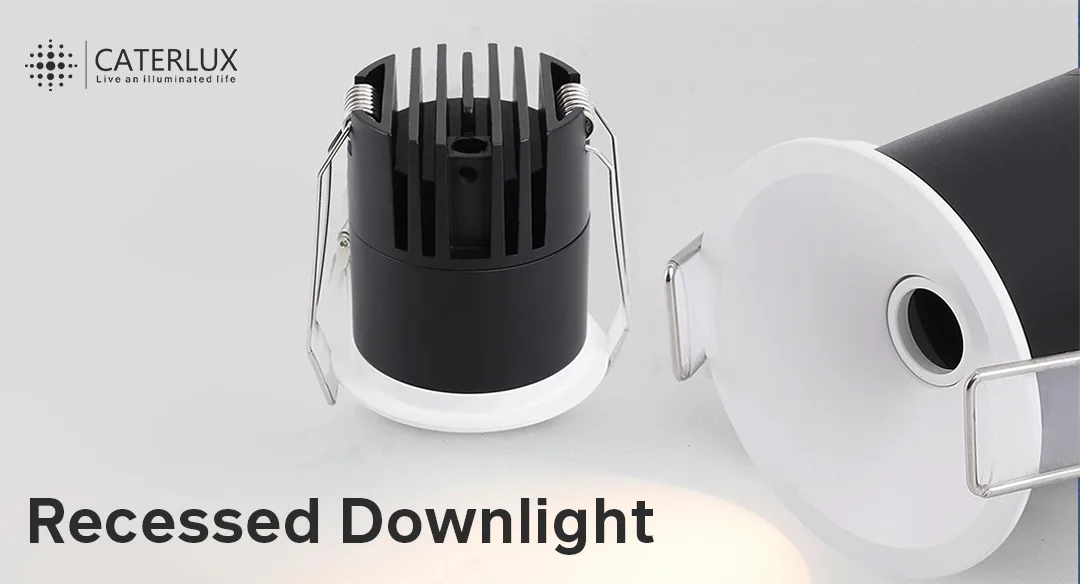
A recessed downlight sits inside your ceiling instead of hanging from it. The main part of the fixture hides above the ceiling line. Only the trim and light show from below.
It’s way different from pendant lights or chandeliers that drop down. Recessed LED downlights sit flush with the ceiling, creating that minimalist look everyone wants these days.
Most new recessed downlights use LED technology now. LEDs last way longer than old halogen bulbs, use less electricity, and don’t get nearly as hot. Plus they give better light quality.
Why pick recessed downlights? They’re perfect for rooms with low ceilings where hanging lights would make the space feel cramped. They light up rooms without cluttering things visually. You can use them literally anywhere – bedrooms, kitchens, bathrooms, offices, galleries, stores.
Different Types of Recessed Downlights You’ll Find
Recessed downlights come in several styles depending on what you’re trying to light:
Fixed Downlights
These aim straight down. Simple. They’re your basic recessed LED downlights for general room lighting. Put them in a grid pattern across your ceiling and you get even light everywhere.
They’re the workhorses – affordable and reliable. Great for bedrooms, hallways, or anywhere you just need consistent lighting without anything fancy.
Adjustable or Gimbal Downlights
These can rotate and tilt. You point them where you want. Glare-free downlights with this feature are perfect for highlighting paintings or architectural details without flooding the whole room.
Adjustable recessed downlights work great in galleries, stores, or houses with sloped ceilings. Aim them at art, sculptures, or textured walls to create visual interest.
Wall Washers
These spread light evenly down walls. The technique makes small rooms feel bigger by pushing light to the edges, which tricks your eye into thinking there’s more space.
Use wall washer recessed LED downlights in narrow hallways or compact bathrooms. The vertical light genuinely makes cramped spaces feel less claustrophobic.
Wet-Rated Downlights
These have sealed housings protecting against water. You absolutely need these for showers, covered patios, or anywhere moisture happens.
Regular downlights in wet spots? That’s asking for trouble. They’ll fail fast and create shock hazards. Wet-rated recessed downlights handle humidity safely for years.
Do You Want Know About More Lighting ? – Gallery lighting , LED wall washer light , Decorative LED lights , Iconic light
The Can vs. Canless Debate
Recessed downlight installation splits into two camps, and people have opinions about both:
Traditional Housing (Cans)
These use separate metal housings installed above ceilings. You can swap out bulbs and change trim rings without replacing the whole fixture. Some people like this flexibility.
The catch? Cans need 6-8 inches of ceiling depth and more complicated installation with junction boxes and multiple parts.
Canless LED Wafers
Modern canless recessed LED downlights combine everything – LED, driver, trim – into one slim unit that’s often just an inch or two thick. They clip right into small ceiling openings without needing separate housings.
Installation is way faster. They work in shallow ceilings. They use less energy. Most new construction goes canless now. The downside? Eventually you replace the whole unit instead of just a bulb, but with LEDs lasting 50,000+ hours, that’s not happening often.
Technical Stuff Worth Knowing
When you’re picking quality recessed downlights, these specs actually matter:
IC Rating (Insulated Contact)
IC-rated recessed LED downlights can touch insulation without causing fires. This isn’t optional – it’s safety. Most ceilings have insulation above them. Non-IC fixtures need 3 inches of clearance, which creates heat loss issues.
Always check IC rating for recessed downlights going into insulated ceilings. It’s literally about preventing fires.
Color Temperature (The K Number)
Glare-free downlights come in different color temperatures that completely change how rooms feel:
Warm White (2700K-3000K): That cozy, yellowish-white like old bulbs. Perfect for living rooms, bedrooms, anywhere you want relaxing vibes.
Cool White (4000K-5000K): Crisp, slightly blue-white light. Great for kitchens, offices, garages – anywhere you need to see clearly and stay alert.
Match temperature to what happens in the room. Mixing temperatures in one space looks weird and feels uncomfortable.
Lumens vs. Watts
Old-school thinking focused on watts. That’s power consumption, not brightness. Modern recessed LED downlight shopping is about lumens – actual light output.
A 10-watt LED making 800 lumens gives you more light than a 60-watt incandescent making 800 lumens, while using 1/6th the electricity. Check lumens to know how bright things actually get.
Planning Your Layout Without Screwing It Up
The 4-Foot Rule
Here’s a rough guideline: space recessed downlights about half your ceiling height apart. Got 8-foot ceilings? Put fixtures roughly 4 feet apart. This prevents dark spots while avoiding too much light.
Adjust based on how bright your fixtures are, what beam angles you picked, and what the room’s used for. Task areas need lights closer together than general living spaces.
Don’t Create a Swiss Cheese Ceiling
More lights doesn’t mean better lighting. Too many recessed LED downlights make ceilings look cluttered and waste energy. Think about what actually needs light and place fixtures deliberately instead of just dotting them randomly everywhere.
Good designers often use fewer, brighter, better-positioned glare-free downlights and get way better results than someone who just installed a bunch of lights without thinking.
Put Everything on Dimmers
Every single recessed downlight should have a dimmer switch. Not optional. Here’s why:
You can adjust brightness for different activities. You save energy by using only the light you actually need. LEDs last longer when you run them dimmed. You avoid harsh over-illumination that makes spaces uncomfortable.
Just make sure you get LED-compatible dimmers. Old incandescent dimmers don’t play nice with LEDs – you’ll get flickering or annoying buzzing.
Why Caterlux Pixel Downlight Works So Well?
Caterlux has built a solid reputation among recessed downlight manufacturers by focusing on performance and aesthetics. Their Pixel downlight shows what advanced glare-free downlight engineering looks like.
You Don’t See the Light Source – Pixel uses deeply recessed optics that completely hide the LED. You see beautiful light without any glare or visible bulbs. This clean look works perfectly in galleries, high-end offices, and upscale homes where lighting quality really matters.
Precise Beam Control – Available in 6°, 36°, and 50° beam angles. Narrow 6° beams spotlight specific things. Medium 36° angles provide accent lighting. Wide 50° beams cover bigger areas. Having choices means you can light spaces exactly how you want.
Different Power Levels – Pixel comes in 6W, 10W, and 15W versions. This flexibility means you get appropriate lighting without wasting energy on more brightness than you need.
Premium Spaces – Pixel shines in places demanding top-notch visual comfort. Art galleries protecting valuable pieces from glare damage. Corporate offices keeping professional atmospheres. Retail stores highlighting products without harsh spotlights. Homes where architectural lighting creates sophisticated vibes.
As a Make in India recessed downlight manufacturer, Caterlux combines international design with local manufacturing. Quality products supporting domestic industry.
Getting Your Lighting Right
Recessed downlights changed how we light modern spaces. They give powerful, flexible lighting without visual mess or taking up space like hanging fixtures do.
Whether you need simple ambient lighting with basic recessed LED downlights, dramatic highlighting with adjustable glare-free downlights, or concealed-source elegance like Caterlux’s PIXEL Downlight, recessed lighting adapts to pretty much any requirement.
The trick is understanding your options – different fixture types, what the technical specs mean, how installation works, and planning layout properly. Quality recessed downlights from manufacturers like Caterlux ensure your lighting actually works well from the start and keeps working for years.